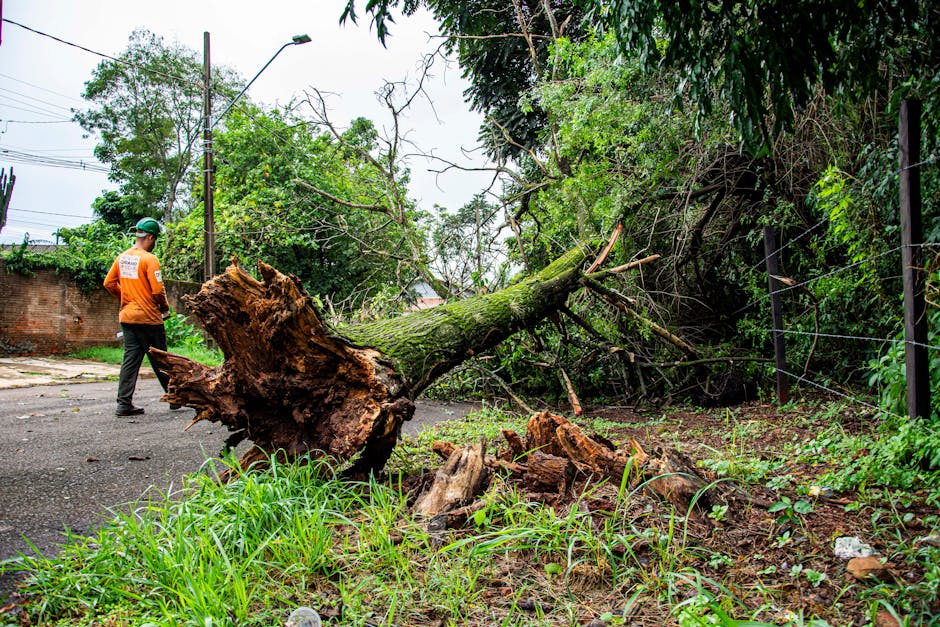
Shoreditch gardeners same day emergency tree removal real cost: what you actually pay, why it varies, and how to get it done safely
If a tree has split after a windy night, is leaning over a path, or has dropped heavy limbs where people walk, you need answers fast. And not the vague kind. The real question behind Shoreditch gardeners same day emergency tree removal real cost is usually simple: what will it cost today, what is included, and how quickly can it be handled without making the situation worse?
In Shoreditch, that urgency matters. Space is tight, access can be awkward, and a falling branch near a pavement, mews, courtyard, or shared rear garden can become a bigger problem in minutes. This guide breaks down how emergency tree removal is usually priced, what changes the final bill, what a same-day visit actually involves, and how to avoid paying for the wrong service. It also explains where related services like tree lopping and removal, garden clearance, and services overview fit into the picture.
Let's face it: when a tree is moving in the wind and you can hear timber creaking, you do not want a long lecture. You want a clear plan. So that is what this article gives you.
Table of Contents
- Why Shoreditch gardeners same day emergency tree removal real cost matters
- How Shoreditch gardeners same day emergency tree removal real cost works
- Key benefits and practical advantages
- Who this is for and when it makes sense
- Step-by-step guidance
- Expert tips for better results
- Common mistakes to avoid
- Tools, resources and recommendations
- Law, compliance, standards, or best practice
- Options, methods, or comparison table
- Case study or real-world example
- Practical checklist
- Conclusion
- Frequently asked questions
Why Shoreditch gardeners same day emergency tree removal real cost Matters
Emergency tree work is not priced like a routine tidy-up. You are paying for speed, risk management, access planning, and often a team that has to make decisions on site. In a busy part of London, the practical cost can shift quickly based on the tree's size, where it sits, whether machinery can get close, and how hazardous the job looks once inspected.
That is why the "real cost" bit matters so much. A cheap sounding quote might cover only the cutting down of the tree, not the loading, removal, traffic-sensitive work, stump issues, or the extra labour needed to work in a narrow side return. On the other hand, a properly scoped same-day emergency visit can save you money if it prevents further damage to fences, paths, glazing, sheds, or neighbouring property. Strange as it sounds, the expensive choice is sometimes the one that looks cheaper on paper.
There is also peace of mind. When you are dealing with a dangerous tree, you are not just buying labour. You are buying judgement. That sounds a bit grand, but it is true. A skilled crew can tell the difference between a tree that needs immediate dismantling and one that only needs securing, pruning, or temporary risk reduction.
Practical takeaway: the real cost is usually a mix of response time, danger level, access difficulty, and disposal. The more urgent and awkward the job, the more the price tends to rise.
If you are unsure whether the issue is actually urgent, start by looking at whether the tree is leaning further, shedding branches, touching cables, or blocking access. If any of that is happening, waiting until "tomorrow sometime" is not a great plan.
How Shoreditch gardeners same day emergency tree removal real cost Works
Same-day emergency tree removal usually follows a fairly simple pattern, although every site throws in its own little surprise. First comes the call or enquiry. Then comes a quick triage: what has happened, where the tree is, and whether anyone is in immediate danger. After that, a team decides whether they can attend quickly and what equipment, manpower, or traffic controls may be needed.
In practical terms, the cost often reflects a few layers:
- Call-out and response speed: rapid attendance typically costs more than planned work.
- Hazard level: a tree split halfway down the trunk is a very different job from a simple overgrown removal.
- Access: rear gardens, tight passages, locked communal areas, or roof-adjacent trees can slow everything down.
- Waste handling: branches, timber, and debris all need clearing safely.
- Additional equipment: climbing gear, rigging, ropes, lowering systems, or stump tools may be required.
Most reputable gardeners or tree teams will want photos or a short video before confirming anything. That is not them being awkward. It is how they avoid underquoting a dangerous job. In Shoreditch, where houses can share boundaries and access routes are often narrow, a quick image can make a big difference to accuracy.
The real cost can also be affected by what happens after the tree is down. Do you want the wood taken away? Do you want the site made safe but not fully tidied? Do you need the stump left or removed? Those choices affect the final figure, and it is better to be explicit up front than to argue beside a pile of branches later on. Nobody enjoys that part.
Key Benefits and Practical Advantages
The obvious benefit is speed. If a tree is unstable, same-day removal can prevent further damage and reduce the chance of injury. But there are other advantages people sometimes miss.
- Less property risk: a fast response may stop the tree from collapsing onto fences, sheds, paving, or parked vehicles.
- Cleaner decision-making: once the hazard is removed, you can assess the rest of the garden properly.
- Better neighbour relations: in close London housing, a quick and tidy response avoids a lot of friction.
- Safer access: removing fallen limbs from paths or side entrances can restore practical access immediately.
- More predictable cost control: dealing with the issue early can be cheaper than waiting for it to worsen overnight.
There is a human side too. If your garden is the only route to a shed, home office, bin store, or rear gate, an unsafe tree can mess with the whole day. The smell of fresh sap, broken bark, and wet leaves after a storm is a very specific kind of headache. Get it sorted and the whole place feels calmer again.
For broader garden recovery after emergency work, many clients also look at garden maintenance and recycling and sustainability so the site is left safe and manageable, not just cut down and forgotten.
Who This Is For and When It Makes Sense
This service is for anyone who needs immediate action rather than a routine appointment. That could be a homeowner, landlord, managing agent, business owner, or tenant who has spotted a serious tree issue and needs the next step clarified quickly.
It makes sense when you have one of these situations:
- A tree is leaning after high winds.
- Large limbs have broken and are hanging dangerously.
- The trunk is visibly split or hollowed in a worrying way.
- Roots have lifted enough to destabilise the tree or surrounding ground.
- A tree is blocking access to a driveway, path, or shared entrance.
- Branches are touching a structure, window, or overhead service line area and the risk seems to be increasing.
If the issue is less urgent, you may still need tree work, but not emergency pricing. A crown reduction, pruning, or scheduled removal can often be planned in a calmer, more cost-efficient way. If you are unsure which bucket your situation falls into, a quick professional assessment is usually the best next step. Better a slightly cautious call than a risky guess.
Step-by-Step Guidance
Here is the practical way to handle a same-day tree emergency without getting lost in the panic of it all.
- Keep people away. Do not stand under the tree or the damaged section. If it is near a pathway, close it off if you safely can.
- Look for immediate hazards. Check for falling debris, leaning movement, or contact with buildings, fences, or wires.
- Take a few photos from a safe distance. These help with quoting and planning. No need for a photo essay. Just enough to show the problem.
- Describe access clearly. Mention rear access, locked gates, alleyways, parking restrictions, or anything else that could affect attendance.
- Ask what the quote includes. Confirm whether removal, loading, disposal, stump work, and tidy-up are part of the price.
- Ask about timing. Same day can mean a few hours, later in the day, or an emergency window, depending on workload and location.
- Confirm safety measures. Reputable teams should explain how they will make the area safe before cutting starts.
- Check final waste handling. You want to know whether arisings are removed, stacked, chipped, or left on site.
- Get written confirmation. Even a short message with the agreed scope is useful. It avoids confusion.
- Plan the follow-up. If there are stumps, replanting plans, or fence repairs, line up the next task once the emergency is handled.
A quick reality check: if a provider cannot explain the work clearly, and fast, that is a warning sign. Emergency jobs already have enough chaos in them. You do not need a vague answer on top.
Expert Tips for Better Results
From a practical point of view, the best emergency jobs are the ones that start with good information. Even a rough photo and a clear sentence or two can save time and money.
Be specific about the tree problem
Say whether the tree is cracked, leaning, partially fallen, or dropping limbs. "Tree issue in the garden" is not enough for an accurate emergency response. It is the kind of phrase that leads to guesswork, and guesswork tends to cost more.
Be honest about access
If there is a narrow side passage, parked cars, or a communal route, mention it early. Teams can then plan whether they need manual dismantling, lighter kit, or extra labour.
Decide what level of finish you want
Some people only want the tree made safe. Others want full removal and garden clearance. There is no right answer, but there is a right answer for your budget.
Ask whether the team can help with related work
If the emergency tree has damaged surrounding planting or left the garden untidy, you may need follow-on work such as hedge trimming or lawn mowing once the hazard is cleared. That sounds minor, but the visual difference can be huge.
Truth be told, one of the best cost-saving moves is simply not to wait until the tree is at its worst. A tree that is just becoming unstable is usually easier to handle than one that has fully failed in bad weather.
Common Mistakes to Avoid
Emergency tree work brings out a few predictable mistakes. Nothing dramatic, just the sort of things people do when they are stressed and trying to move quickly.
- Choosing the cheapest quote without checking scope. A low number can hide exclusions for disposal, access, or urgent attendance.
- Skipping photos. Without a visual, the team may under- or over-estimate the job.
- Forgetting about access. Shoreditch properties can be trickier than they look from the front.
- Assuming all tree work is the same. Emergency dismantling is not the same as standard pruning.
- Not asking about insurance and safety. In a risky job, that is a big oversight.
- Leaving the site half-managed. Once the tree is down, loose timber and debris can still be a hazard.
Another common one: people assume "same day" means "any time you like today." In reality, the actual slot may depend on daylight, traffic, and what the crew is already dealing with. It is a bit annoying, but that is just how emergency work goes. The good teams will be upfront about it.
Tools, Resources and Recommendations
You do not need specialist equipment yourself, but it helps to know what a professional team may use. That way the pricing makes more sense and you can judge whether the right kit is being brought to the job.
- Climbing and lowering gear: used where trees cannot be safely removed from the ground.
- Chainsaws and cutting tools: for dismantling branches and trunk sections.
- Rigging lines and ropes: to control heavy limbs during removal.
- Protective equipment: helmets, gloves, eye protection, and other safety gear.
- Loading and waste transport: to remove arisings from site efficiently.
For pricing transparency, it is sensible to review the provider's pricing and quotes information before committing, and to read their insurance and safety guidance if the job involves awkward access, height, or shared boundaries.
If the emergency is part of a bigger garden overhaul, the job often links naturally with landscaping, landscape gardening, or even decking services if the damaged area has affected a seating or access zone. That may sound like a leap, but after an emergency removal people often decide to reorganise the space properly. Fair enough too.
Law, Compliance, Standards, or Best Practice
With tree work, safety and compliance matter more than flashy promises. In the UK, there may be practical and legal issues around property boundaries, shared access, and protected trees or conservation considerations. Because those factors can vary by site, it is wise to treat any emergency removal as something that should be checked carefully rather than rushed blindly.
The safest general approach is to work with a provider who:
- assesses the tree before cutting where possible;
- explains the immediate risk clearly;
- uses appropriate protective equipment;
- handles waste responsibly;
- has a clear complaints process if something goes wrong;
- is transparent about payment and security.
For a local business, it also helps if the company can explain its own operating standards in plain English. Pages like health and safety policy and terms and conditions are useful because they show how work is handled, what the customer is agreeing to, and what to expect if the job changes once the crew arrives.
One note of caution: if there is any sign the tree may involve a protected status, shared ownership, or a boundary dispute, do not make assumptions. Get the urgent safety issue managed first, then handle the admin carefully afterwards. It is much easier to sort paperwork once nobody is standing under a wobbling branch.
Options, Methods, or Comparison Table
Not every tree problem needs the same response. The table below gives a simple way to compare the common options people consider when they search for emergency removal costs.
| Option | Best for | Typical speed | Cost tendency | Notes |
|---|---|---|---|---|
| Same-day emergency removal | Immediate danger, fallen or splitting tree, blocked access | Fastest | Highest | Includes urgency, risk, and quick mobilisation |
| Planned removal | Unsafe but not critical tree problems | Moderate | Lower | Usually better value if the tree can safely wait |
| Partial dismantling or making safe | Tree is dangerous but full removal is not yet necessary | Fast | Mid-range | Useful when the goal is to reduce risk first |
| Pruning or crown reduction | Overgrowth, weight imbalance, minor storm damage | Planned | Lower to mid-range | Often not enough for a structurally failed tree |
If you are looking for the lowest overall spend, the key is choosing the least aggressive option that still makes the site safe. That sounds obvious, but in a panic people often jump straight to full removal when a controlled reduction would do the job. Other times they hesitate when removal is clearly needed. A bit of judgement saves a lot of money.
Case Study or Real-World Example
Here is a realistic Shoreditch-style example. A homeowner notices, after a blustery evening, that a medium tree in a narrow rear garden has split near the main stem. The tree is not completely down, but a heavy section is now leaning over a shared walkway and the whole thing is making a low, unpleasant creaking sound whenever the wind picks up.
The homeowner sends photos straight away. The first response is a same-day attendance window, with the team explaining that the price will depend on how much of the tree is unstable, whether the work can be done from the garden itself, and how the cut sections will be removed through the side access. Once on site, the crew decides the safest route is partial dismantling from the top down, then full removal of the failed section, followed by clearance of the debris.
The interesting part is this: the final price is not simply "tree removal." It reflects the emergency response, the awkward access, the extra labour to manage the split stem carefully, and the waste that had to be carried out by hand. If the homeowner had waited another day, the tree might have failed more badly and the job could have become more disruptive. Sometimes the real saving is in avoiding the bigger mess.
That kind of situation often leads to follow-up work in the same garden, especially if the clearance has left bare soil, damaged edging, or a patch of trampled planting. At that stage, sensible next steps might include tidying the area through garden clearance and then restoring the wider garden with longer-term garden maintenance.
Practical Checklist
Use this checklist before you agree to a same-day emergency tree removal job:
- Have you confirmed there is an actual safety risk?
- Have you taken a safe photo or two of the tree?
- Have you described access restrictions clearly?
- Do you know whether the price includes removal of waste?
- Do you understand whether the quote is for making safe or full removal?
- Have you checked whether stump work is included or excluded?
- Have you asked how quickly the team can attend today?
- Do you know who is responsible for tidy-up and loading?
- Have you checked the provider's insurance and safety information?
- Have you kept neighbours informed if shared access is involved?
Quick note: if the tree is actively failing, do not spend twenty minutes perfecting the perfect photo. Safety first. Then details.
Conclusion
The real cost of same-day emergency tree removal in Shoreditch is rarely just the cutting. It is the speed of response, the danger involved, the complexity of access, the amount of debris, and whether the job needs to be made safe or completely cleared away. Once you understand those parts, the pricing makes much more sense and you are less likely to be caught out.
The smartest move is to gather a few clear details, ask what is included, and choose a team that can explain the work without foggy language. In a close-knit, busy part of London, that clarity matters. It keeps people safe, protects property, and usually saves money in the long run.
If you want help getting the job assessed properly, start with a provider that offers clear pricing, strong safety standards, and practical service information. That is the boring bit done well. And honestly, that is what you want when a tree has gone from "a bit worrying" to "we need this handled today."
Get a free quote today and see how much you can save.
Frequently Asked Questions
What does same-day emergency tree removal usually mean?
It usually means the team aims to attend and deal with the immediate danger on the same day you call, subject to availability, location, and how serious the situation is.
How is the real cost calculated for emergency tree removal?
The final cost is generally shaped by urgency, tree size, access, risk level, equipment needed, and whether waste removal or stump work is included.
Is emergency tree removal more expensive than planned removal?
Usually yes. Same-day response tends to cost more because it requires rapid scheduling and often more complex risk management.
Can a tree be made safe without full removal?
Yes, sometimes. If the structure is still workable, a team may be able to reduce the risk by partial dismantling or other controlled work instead of full removal.
Do I need to send photos before getting a quote?
In most cases, yes. Photos help the team judge the size, condition, and access issues more accurately, which usually leads to a better quote.
What if the tree is near a wall or neighbour's property?
That is exactly when careful assessment matters. Tight boundaries can affect both the method and the price, so it is important to mention them early.
Does the quote usually include waste removal?
Not always. Some quotes include collection and disposal, while others only cover the removal itself. Always ask before you agree.
What if the tree is blocking access to my garden or driveway?
Say that clearly when you enquire. Access blockages often increase the urgency and can affect the equipment or labour needed.
Should I worry about insurance and safety?
Yes, definitely. For emergency tree work, proper safety practices and suitable cover matter because the job can involve real property and personal risk.
How can I avoid overpaying in an emergency?
Give accurate details, ask what is included, and get written confirmation of the scope. That simple step prevents a lot of surprise extras.
Is stump removal included in emergency tree removal?
Often it is not. Stump work may be quoted separately, especially if the priority is to make the site safe quickly rather than finish every part of the garden in one visit.
What should I do while waiting for the team to arrive?
Keep people away from the danger area, avoid standing under branches, and do not try to cut unstable wood yourself unless you are qualified and it is genuinely safe to do so.